Bungalows Or New Builds In The Heights
Choosing between a bungalow and a new build in the Heights is not just about age or style. It is about how you want to live, what kind of upkeep you can handle, and how much flexibility you want in the years ahead. If you are weighing charm against convenience in one of Houston’s most recognizable neighborhoods, this guide will help you compare the tradeoffs clearly. Let’s dive in.
Houston Heights has deep roots. Founded in 1891, incorporated in 1896, and annexed in 1918, it is described by the City of Houston as Texas’ earliest planned community.
That history still shapes the neighborhood today. Original development patterns included deed restrictions that addressed setbacks, use, quality, and construction size, and those ideas still show up in how many blocks look and function.
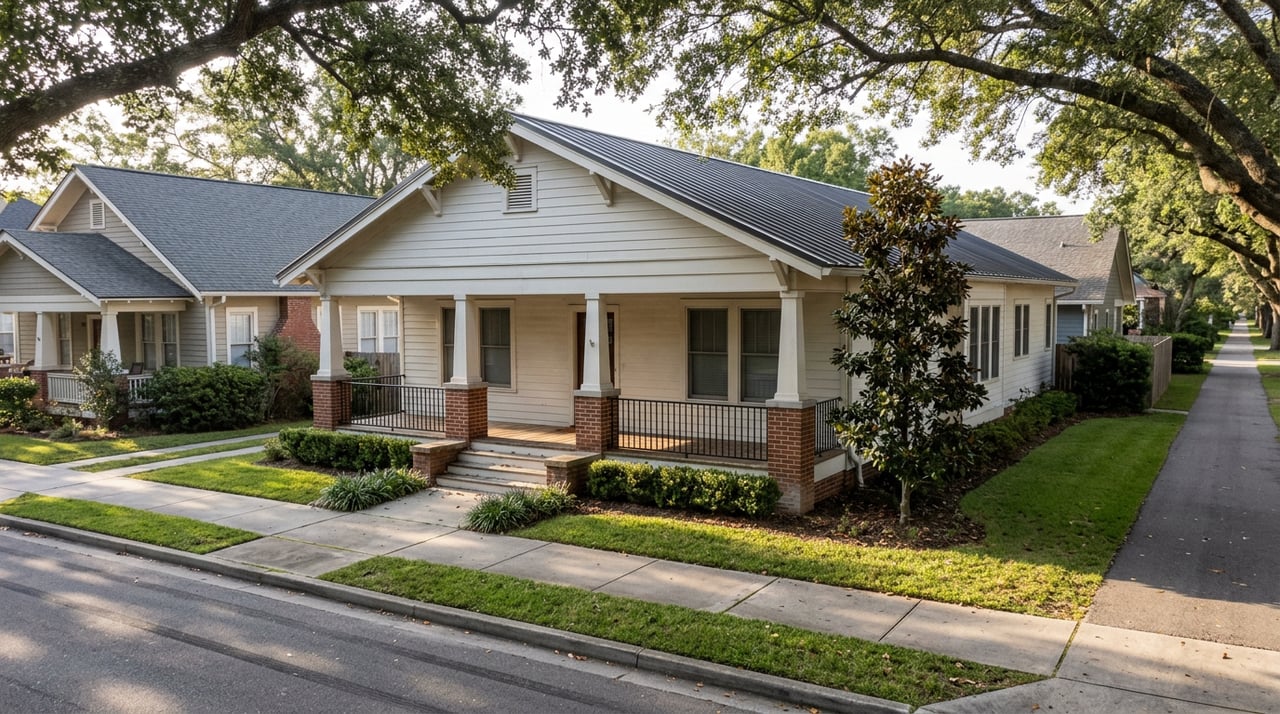
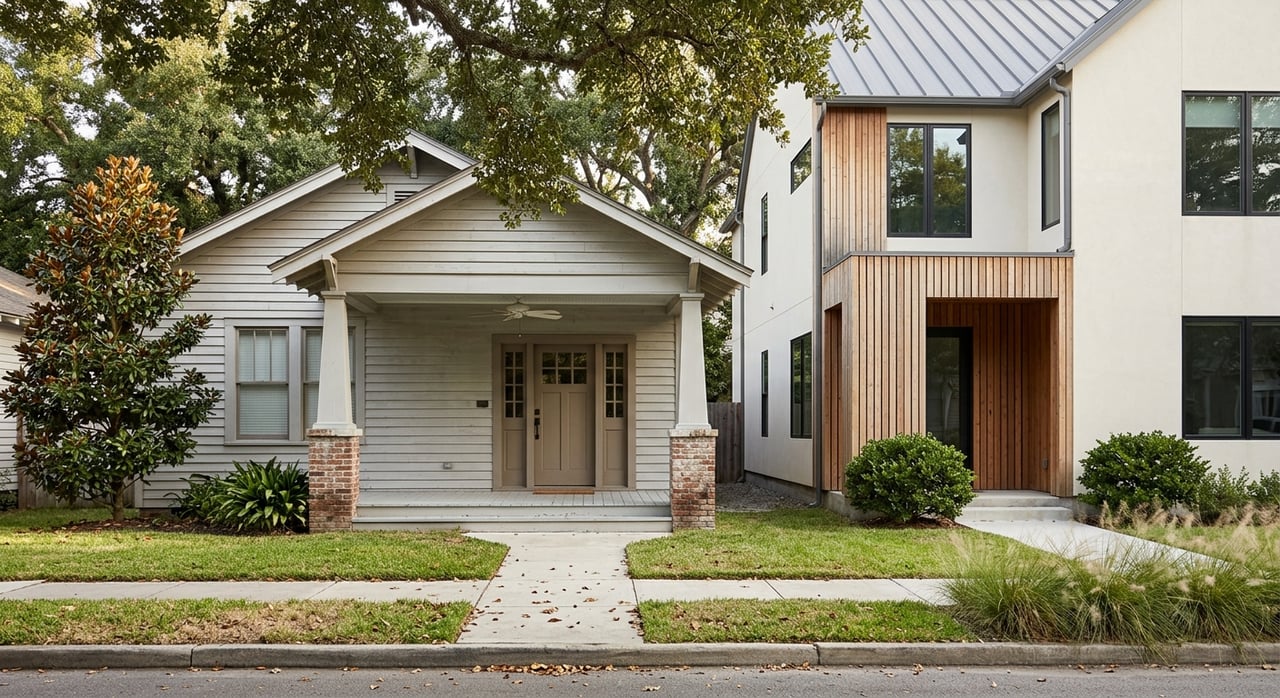
In the Heights, older and newer homes often sit side by side. You will see one- and two-story homes, many with pier-and-beam foundations, large windows, decorated gables, textured siding, bay windows, and porch details that give the area its familiar streetscape.
A bungalow in the Heights is usually a one-story or one-and-a-half-story home with a low-pitched roof, broad front porch, and wide eaves. In many cases, the main living space is concentrated on one floor, with bedrooms placed toward the back or sometimes upstairs.
That layout is a big part of the appeal. If you want a home that feels approachable, connected to the street, and rooted in the neighborhood’s history, a bungalow often delivers that experience in a very direct way.
It is also worth noting that not every older Heights home is technically a bungalow. The area includes a mix of Queen Anne, Craftsman, Folk National, and Folk Victorian styles, so a bungalow often sits within a broader collection of historic home types.
When buyers walk into a Heights bungalow, they often respond to features like:
For some buyers, that character is the whole point. They are not just buying square footage. They are buying a home with a story and a setting that feels specific to the Heights.
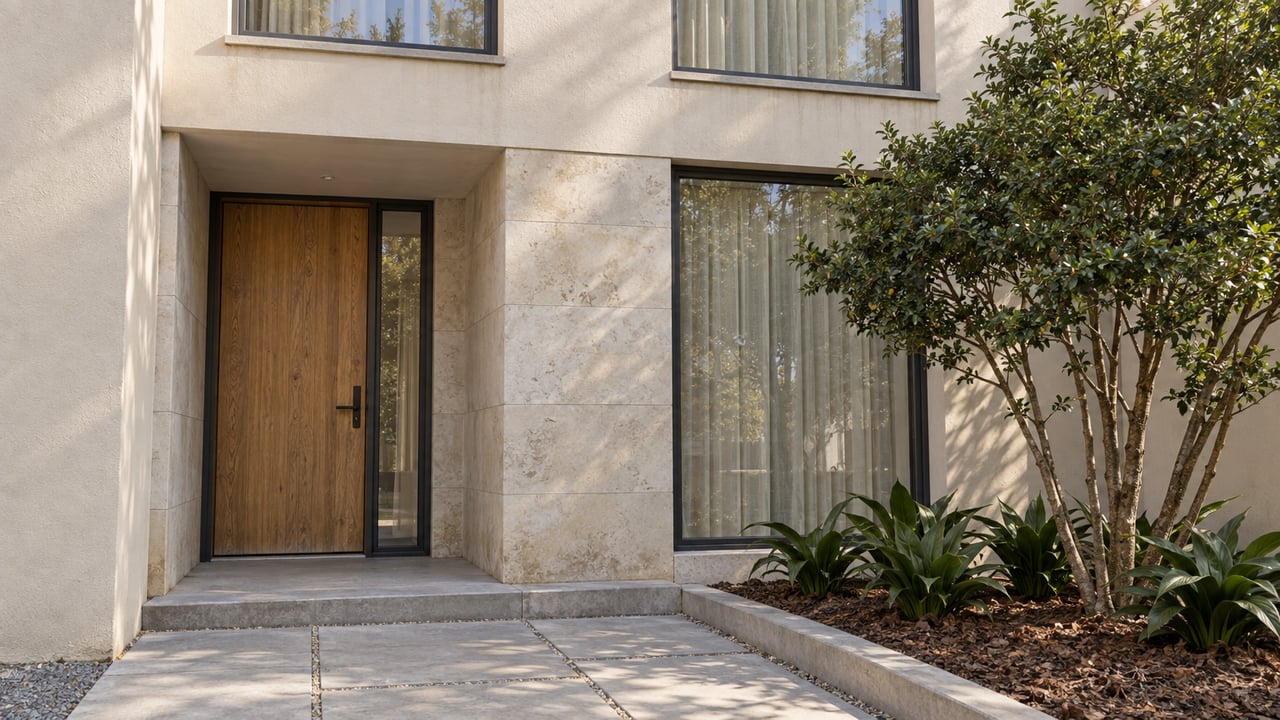
New construction in the Heights serves a different set of priorities. Many newer homes are designed around modern room separation, open-concept first floors, larger kitchens, spacious primary suites, and more storage.
Current Greater Heights new-home listings reflect that trend. Examples in the market include a 3-bedroom, 3.5-bath home at 2,088 square feet listed at $575,000 and a 4-bedroom, 4-bath home at 2,987 square feet listed at $845,000.
If your daily routine depends on flexible living space, dedicated work areas, or a layout that feels move-in ready from day one, new construction can be a very practical fit. It often aligns with buyers who want fewer immediate projects after closing.
A newer home may be a better match if you prioritize:
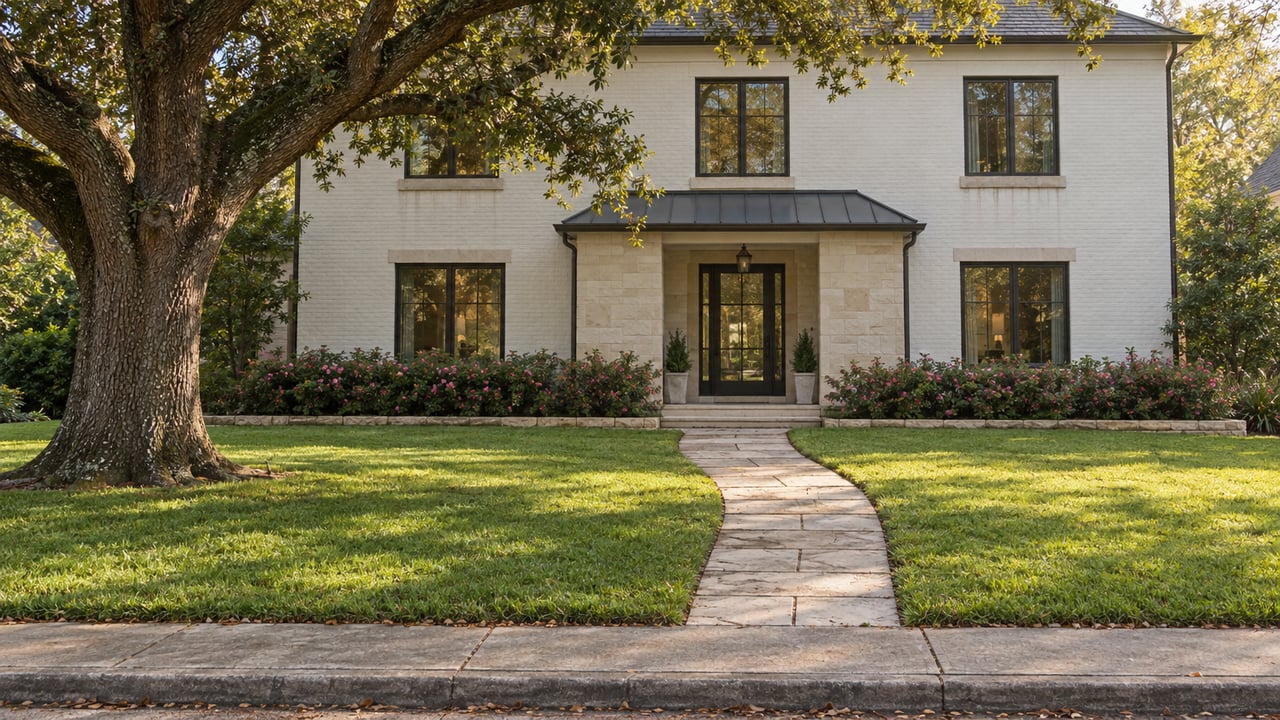
That does not mean every new build looks the same. In historic areas, modern homes may still include traditional details so they blend more naturally with the surrounding block.
One of the biggest decision points in the Heights is not style alone. It is whether the property sits inside a designated historic district or is affected by other lot-specific rules.
If a home is in a designated Heights historic district, exterior changes that alter appearance usually require a Certificate of Appropriateness. That can include additions, new structures, relocation, and demolition.
Ordinary maintenance and repair may be exempt if the work does not change the design, character, texture, or material. Even so, it is smart to verify what review or permit process applies before you finalize renovation plans.
Beyond historic-district review, buyers should also confirm whether a property is in Heights West, East, or South, and whether Minimum Building Line or Minimum Lot Size rules apply. Some lots may also be subject to deed restrictions that add another layer of approval.
Typical Heights front setbacks are about 15 to 25 feet, and garages or carports are often detached behind the house. Those patterns affect what can be added and how a property fits into the block.
For both bungalows and new builds, the City of Houston pays close attention to things like:
In simple terms, the home that respects the rhythm of the street usually has the smoother path.
A Heights bungalow can be a great long-term home, but it helps to go in with clear expectations. Many are older wood-frame homes with pier-and-beam foundations, historic windows, siding, porches, and roofs.
That does not make them fragile. It does mean you should plan for periodic updates over time, especially to structure, exterior components, and mechanical systems.
Bungalows can also vary more than buyers expect. One current example is a compact 1,444-square-foot renovation with 2 bedrooms and 1.5 baths, while other historic homes in the Heights have been expanded into much larger residences with a first-floor primary suite, multiple living areas, and even guest quarters.
A bungalow may be right for you if you want:
If you enjoy the idea of stewardship as much as ownership, a bungalow often feels rewarding in a way that is hard to duplicate.
New construction usually offers a simpler maintenance picture at the start. Because major systems are newer at closing, many buyers see lower near-term repair risk compared with an older home.
That said, newer does not mean rule-free. In the Heights, deed restrictions may still apply lot by lot, and new construction inside a historic district is still reviewed for compatibility with nearby contributing structures.
The City of Houston says new construction does not have to copy an older house exactly, but it should be compatible in size, setbacks, proportions, height, and exterior features. Modern design, materials, and construction techniques can still be appropriate when the home is sized and positioned correctly on the lot.
A new build may be the better choice if you want:
For many busy professionals, relocation buyers, or households that want a smoother move-in experience, that convenience carries real value.
The Heights market is active enough that both product types can attract strong interest. Using Greater Heights as a proxy, current data shows a range of conditions rather than one single number.
Zillow reports an average home value of $617,724 with 22 days to pending. Redfin reports a median sale price of $699,265 and about 31 days on market, with homes selling around 2% below list on average. Realtor.com shows a median listing price of $630,000 and 40 days on market.
Those are different metrics and time frames, so it is best to read them as a bracket around current conditions. The larger takeaway is that the market is healthy, somewhat competitive, and active across both older and newer homes.
Current inventory reinforces that point. A renovated bungalow at 1516 Lawrence is listed at $699,900, while Redfin’s Greater Heights new-homes page shows 119 new homes for sale at a median listing price of $645,000.
One of the biggest misconceptions in the Heights is that newer automatically resells better, or that historic homes always command the strongest emotional response. In practice, resale tends to favor the home that meets buyer expectations for its street context and presentation.
Renovated bungalows often benefit from preserved charm, strong porch appeal, and smart modernization. New builds often benefit from turnkey condition, larger primary suites, and a floor plan that feels easy for today’s routines.
That means your best choice is usually the one that fits how you actually want to live. A home that aligns with your priorities is easier to enjoy now and easier to position well later.
If you are torn between a bungalow and a new build, try filtering the decision through three simple questions.
If original details, porch culture, and neighborhood texture matter most, a bungalow may feel more compelling. If you want a polished, move-in-ready layout with fewer immediate to-dos, new construction may be the easier answer.
Older homes often ask for more planning over time. If that feels exciting, a bungalow can offer long-term upside and a more personal ownership experience.
If your goal is to settle in quickly and keep near-term surprises lower, a newer home may fit your lifestyle better.
Bungalows often shine in charm and adaptability, but many have smaller footprints and older floor plans. New builds typically offer the room separation, larger suites, and flexible bonus spaces many buyers now want.
If layout drives your day-to-day comfort, it should carry real weight in your decision.
Whether you are drawn to a classic front porch or a fresh floor plan, the right Heights home is the one that matches your routine, your goals, and your comfort with upkeep and rules. If you want help comparing specific blocks, property types, or resale potential in the Heights, Nicole Brende can help you sort through the details with a local, high-touch approach.
Nicole's dedication to her clients is evident in every aspect of her work, from her exceptional communication skills to her unparalleled marketing expertise. With her unwavering commitment to providing tailored solutions to her clients' real estate needs, Nicole has established herself as one of the most sought-after agents in Houston.