What the Houston Inner Loop Really Means for Buyers
Heard Houstonians say they live “inside the loop” and wondered what that really means for you as a buyer? If you are relocating or buying your first home, it can feel like a shorthand everyone gets except you. In this guide, you will learn what the Inner Loop actually is, how it shapes daily life and budgets, and how Midtown offers a clear snapshot of the experience so you can decide with confidence. Let’s dive in.
In Houston, the “Inner Loop” refers to the area inside Interstate 610. The loop creates a clear boundary that locals use to describe central neighborhoods close to Downtown, the Texas Medical Center, and other job centers. If a property is inside I‑610, most residents consider it “inside the loop.”
If you want to confirm a specific address, use the interactive layers in the City of Houston GIS and compare with TxDOT maps. For parcel-level details and tax records, check the Harris County Appraisal District (HCAD) site.
Living inside the loop usually means shorter drives to Downtown, the Medical Center, and the Uptown corridor. You also have more ways to get around, including bike, car, ride share, and public transit. Midtown, which sits just south of Downtown, offers light-rail and bus options through METRO, which can help reduce commute stress and parking costs.
Inside the loop, you will find more walkable access to restaurants, coffee shops, gyms, parks, and cultural venues. Midtown is a good example, with weekday and weekend activity that appeals to many urban buyers. If you want to grab dinner on foot or meet friends without a long drive, Inner Loop neighborhoods make that easier.
You trade larger yards and more space for proximity and convenience. Expect smaller lots and more attached housing, like townhomes, as well as a higher share of condos and apartments. In Midtown, multi-family buildings are common, and ownership options often include condos and townhomes with limited-maintenance lifestyles.
Look beyond the list price. Your budget should include property taxes, homeowner’s insurance, and HOA or condo dues if applicable. Flood risk and insurance can be major factors for properties near bayous or lower elevations. Review both the Harris County Flood Control District mapping tools and the FEMA Flood Map Service Center to understand flood zones and potential insurance requirements.
Central neighborhoods often see steady demand, which can mean more competition for well-priced listings and faster sales in strong markets. Conditions change over time, so check current trends through the HAR monthly market report and use recent comparable sales for your specific micro-neighborhood.
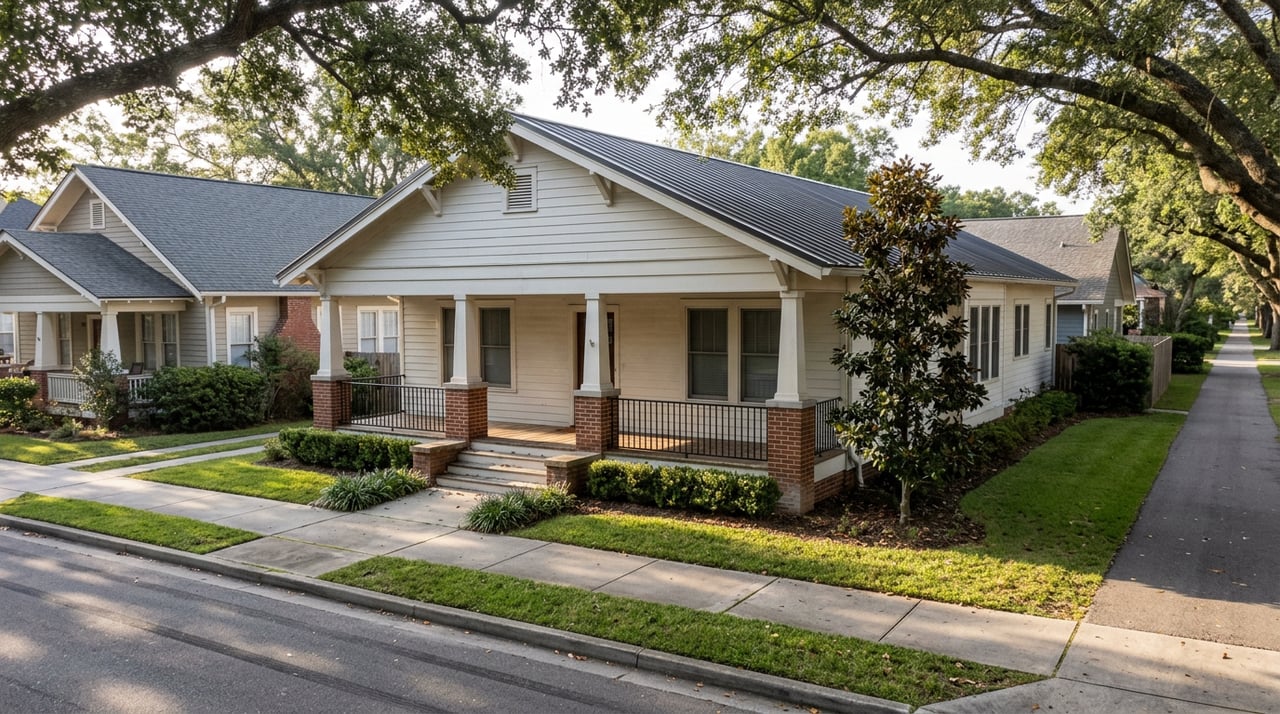
Midtown’s housing mix reflects Inner Loop patterns. You will see many apartments and condo buildings, plus townhome infill on smaller lots. Older bungalows exist in some pockets and may be renovated or replaced as the area evolves.
Transit and bike options are stronger here than in many suburbs, and the neighborhood is close to Downtown, the Museum District, and the Medical Center. For relocators and first-time buyers who value access and activity, Midtown is a simple way to sample Inner Loop living without a long commute.
When you compare a Midtown condo or townhome to a suburban single-family home, focus on total monthly costs, not just the purchase price. Include HOA dues, parking or storage fees, property taxes, homeowner’s insurance, and potential flood insurance. To research taxes for a specific property, start with HCAD.
Use this step-by-step check to align your home search with your lifestyle and budget.
Use this list for any address you are considering in Midtown or nearby neighborhoods:
If you value space and a large yard, suburbs may offer more square footage for the price. If you value time and access, the Inner Loop can reduce commute times and increase your daily choices for dining, fitness, and culture. Many buyers weigh a smaller footprint and shared amenities against a longer drive and larger lot. Your best fit depends on which trade-offs help you live the way you want.
Use these authoritative resources to verify details for any property:
If Inner Loop living fits your lifestyle, Midtown is a great place to start your search. You can test commute options, compare condos and townhomes, and get a feel for daily life without a long drive. If you want a clear plan, local context, and access to on-market and coming-soon listings, connect with a trusted Inner Loop advisor. Reach out to Nicole Brende to align your goals, budget, and timing.
Nicole's dedication to her clients is evident in every aspect of her work, from her exceptional communication skills to her unparalleled marketing expertise. With her unwavering commitment to providing tailored solutions to her clients' real estate needs, Nicole has established herself as one of the most sought-after agents in Houston.