Houston Heights Bungalows Charm Value And Renovation Tips
If you have ever fallen for a Houston Heights bungalow from the curb, you are not alone. These homes stand out because they offer something many buyers want but cannot easily replicate: historic character, a strong street presence, and the chance to live in one of Houston’s most distinctive inner-loop neighborhoods. If you are thinking about buying, renovating, or selling one, it helps to understand what gives these homes their appeal and what can affect their long-term value. Let’s dive in.
Houston Heights was founded in 1891 and is recognized by the City of Houston as Texas’ earliest planned community. Its original layout included a rectangular street grid, sidewalks, utility systems, and later streetcar extensions that supported an easy connection to downtown. According to the City of Houston’s historic district overview, those early planning choices still shape the neighborhood’s walkable, urban feel today.
Another part of the neighborhood’s identity is Heights Boulevard. The Houston Heights Association describes it as a broad, tree-lined central thoroughfare, which helps explain the area’s park-like character. The city also notes that retail historically clustered along 19th Street, with additional commercial activity along 11th and 20th Streets, giving the neighborhood a long-standing mix of homes and nearby amenities.
For buyers and sellers, that context matters. A Heights bungalow is not just a house style. It is part of a larger streetscape and neighborhood pattern that contributes to how the property feels and how buyers perceive its value.
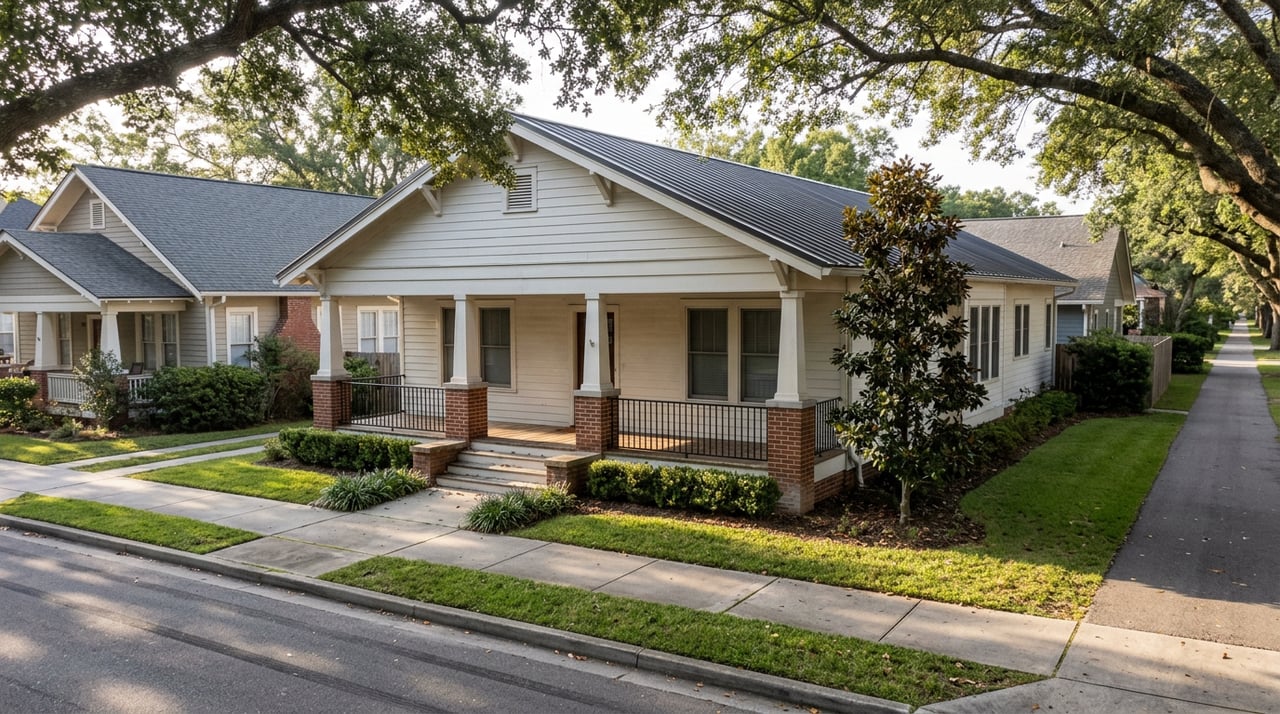
In the Heights, many of the most recognizable bungalows were built between 1905 and 1925. The City of Houston’s architectural guide identifies Craftsman bungalows as especially common during that period. These homes are generally boxy in form, with low-pitched roofs, wide eaves, and prominent front porches.
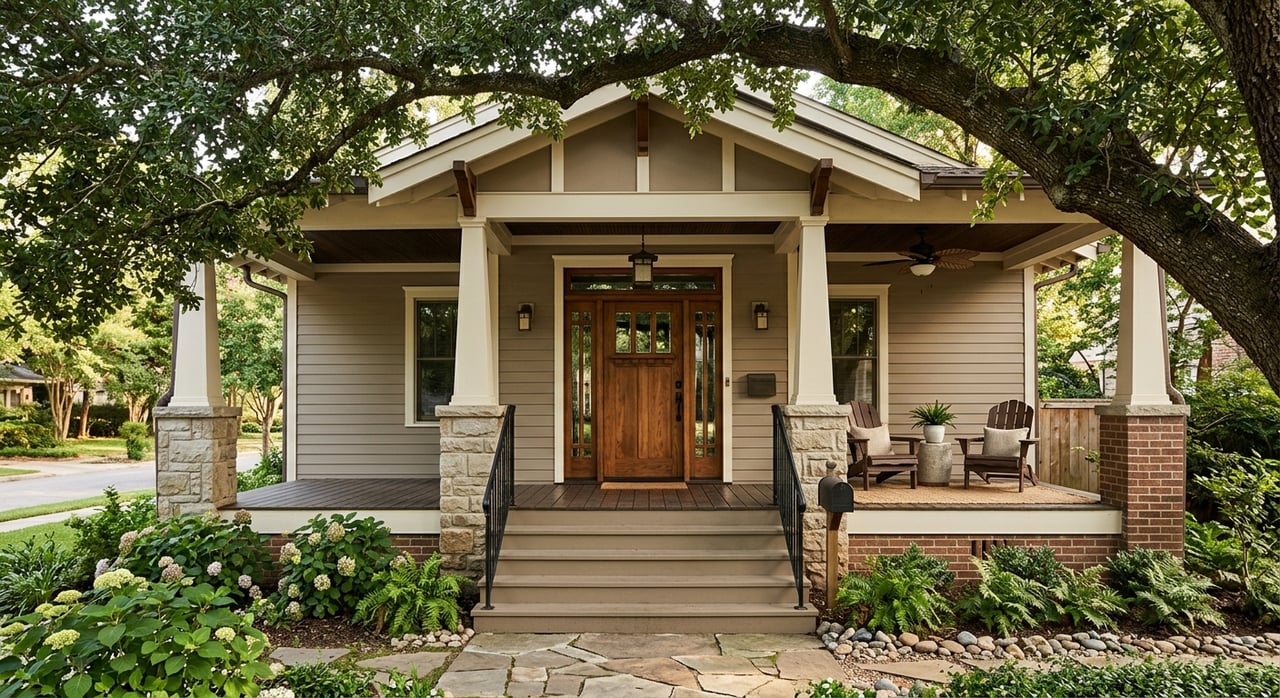
That charm usually comes from a combination of details rather than age alone. The city highlights features like bracketed eaves, grouped windows, wood siding, pier-and-beam foundations, gable or hip roofs, transoms above doors, and porch supports that are turned or tapered. In many cases, the appeal of a Heights bungalow is tied to how much of that original exterior character remains in place.
The district features guidance repeatedly points to porches, roof shape, window proportions, setbacks, and materials as character-defining elements. That means buyers often see value not only in square footage, but also in authenticity. A home with preserved street-facing details can feel more compelling than a larger home that has lost its original form.
When buyers shop in the Heights, they are often looking for a home with personality and a sense of place. In that setting, original design elements can influence market appeal because they help the house fit the neighborhood’s historic rhythm. Features like a deep front porch, vertically proportioned windows, and wood siding often matter because they support the visual language buyers expect in the area.
That does not mean every home must be untouched. Many buyers want updated interiors, improved layouts, and more usable space. What tends to matter most is whether those updates respect the home’s original street-facing character and overall form.
If you are preparing to sell, this is where presentation and strategy become important. A bungalow’s story is often part of its value, especially in a neighborhood where buyers notice details from the sidewalk before they ever step inside.
One of the most important questions to answer early is whether the property is actually inside a City of Houston historic district. The city recognizes separate Heights West, Heights East, and Heights South historic districts, and each has defined boundaries. Not every home in the broader Heights area falls within those districts.
That distinction matters because homes inside a historic district may be subject to design review for exterior changes. If you are buying with renovation plans in mind, the exact address can shape what is possible and how long approvals may take. If you are selling, district status may also influence how buyers evaluate the property’s future flexibility.
It is also worth confirming whether deed restrictions or neighborhood rules apply in addition to city preservation standards. The city notes that additional rules often do apply, so buyers should review those layers before making assumptions about future projects.
Raised pier-and-beam foundations are common in the Heights and are identified by the city as the preferred traditional foundation condition. The features and compatibility guidance notes that slab-on-grade is generally less compatible unless it is disguised to resemble pier-and-beam. When you tour a bungalow, pay close attention to floor height, signs of settling, and whether the original foundation form has been altered.
The front porch is one of the most important features on a Heights bungalow. City guidance treats a single-story front porch, often spanning 50% to full width and at least 6 feet deep, as a defining design element. If the porch has been removed, enclosed, or heavily changed, the house can lose much of the character that makes it recognizable.
Original window openings and exterior cladding deserve a careful look. The city favors large, vertically proportioned windows and compatible materials like wood or wood-clad units. Horizontal wood siding and rectilinear wood shingles also align with the neighborhood’s traditional appearance, while incompatible replacements can change the look of the home significantly.
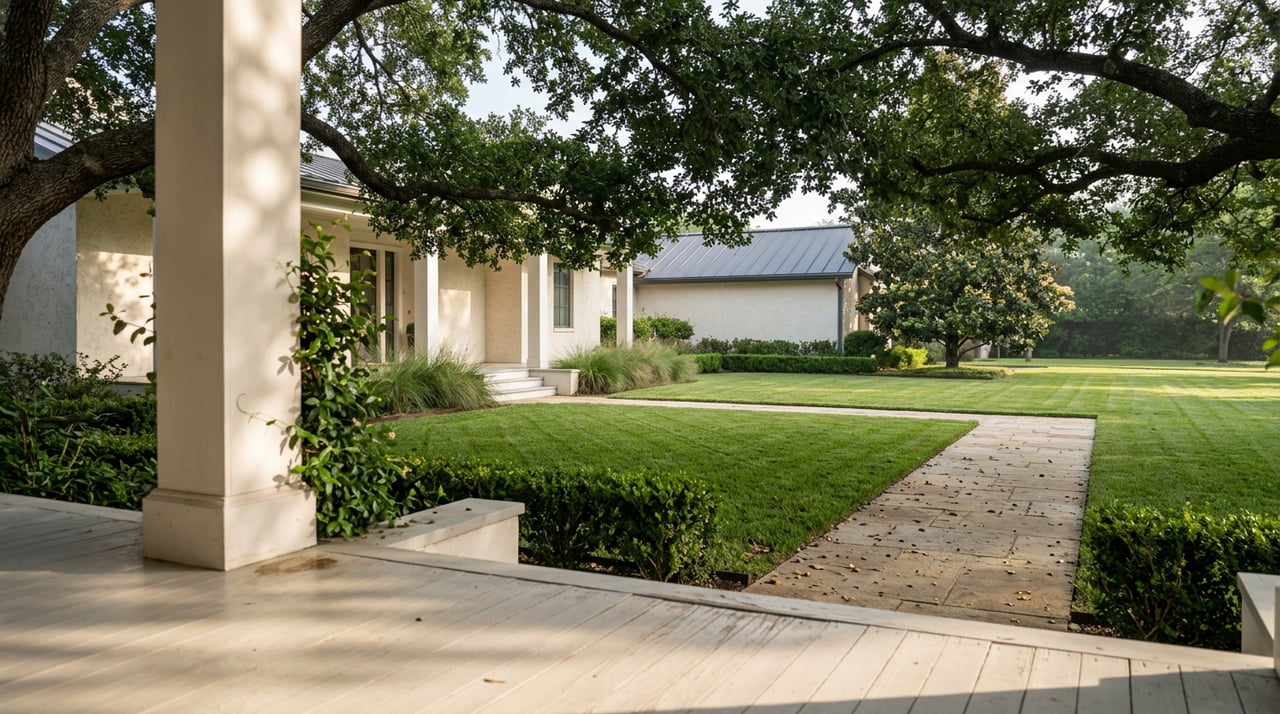
The house is only part of the story. The Heights setting guidelines describe common front setbacks of about 15 to 25 feet, along with detached garages or carports behind the house and side driveways on interior lots. A home may be nicely updated, but if a front parking pad, attached garage, or oversized front addition disrupts that pattern, it can feel out of place.
If you love the charm of a bungalow but need more function, the good news is that the Heights guidelines do allow change. The key is that new work should remain subordinate to the original structure. In simple terms, additions should support the historic house, not overpower it.
The city explains in its Heights design guidelines that rear additions are generally more compatible than front-facing changes. A rear addition should not be taller than the existing house, should not be wider than the wall it connects to, and should avoid removing original walls other than the rear wall. Roof pitch should also stay equal to or lower than the original roof.
Partial second-story additions may also work when they stay within the footprint of a one-story house and are set back far enough from the front wall. This approach helps preserve the street-facing scale of the original bungalow while allowing more living space.
In many cases, the most practical renovation strategy is simple:
That path tends to align with both the city’s preservation principles and the established lot rhythm of the neighborhood.
If a home is in a historic district or is a designated landmark, exterior changes may require a Certificate of Appropriateness. Some projects may qualify for exemption or administrative review, while others may go before the Houston Archaeological and Historical Commission. Exterior work can include changes to roofing, siding, windows, doors, porches, steps, and foundations.
The city’s broader preservation approach focuses on compatibility rather than exact imitation. New work should preserve the home’s historic character, maintain distinctive exterior features when possible, and use materials and forms that relate visually to the original building. The goal is not to freeze a house in time, but to let it evolve in a way that still respects what made it special in the first place.
That is one reason Heights bungalows can be so appealing to thoughtful buyers. With the right planning, you may be able to enjoy historic curb appeal while still creating the layout, storage, or accessory space your lifestyle needs.
For buyers, a Heights bungalow can offer a rare mix of character, location, and renovation potential. The key is knowing what to evaluate before you write an offer, especially if you plan to make exterior changes later. Historic district status, foundation type, porch integrity, window patterns, and lot layout should all be part of your due diligence.
For sellers, these homes often benefit from a more intentional marketing approach. Buyers are not just comparing bedroom counts. They are responding to architecture, setting, and story. When a bungalow’s preserved features and renovation possibilities are clearly presented, it can stand out in a very crowded online search environment.
If you are weighing a purchase, preparing a sale, or trying to understand what updates make sense for your property, Nicole Brende can help you navigate the Heights with a neighborhood-first strategy and thoughtful guidance tailored to your goals.
Nicole's dedication to her clients is evident in every aspect of her work, from her exceptional communication skills to her unparalleled marketing expertise. With her unwavering commitment to providing tailored solutions to her clients' real estate needs, Nicole has established herself as one of the most sought-after agents in Houston.